
This post may contain affiliate links, which means I get a small percentage of the sale at no extra cost to you. I only recommend items I love and have had a positive experience with. Thank you!
Learn all the “what” and “why’s” about yeast for bread making and how to choose the right type of yeast for your best loaf of bread.

I’ve heard many friends and family members say, “I can only make banana bread, I can’t bake with yeast” or “yeast breads never turn out for me”.
Sound familiar? That darn yeast is always the most intimidating part of bread making. It can be finnicky, mysterious and hard to work with. (Like me, haha!) But when yeast works, it is amazing and makes you feel like a baking wizard.
So, what is yeast? What type of yeast should you use? How do you use it?

When it comes to yeast for bread making, you’ve got a few options. Let’s try to make choosing and using the right type the “yeast” of your worries. (Pun very much intended!)
Table of contents
What is Bread Yeast?
I’m not a scientist, so to put it simply – yeast is magic.
Just kidding! Kind of. Yeast is a living organism that loves to eat sugars and release carbon dioxide. This process is called fermentation, and the release of carbon dioxide is what makes bread doughs rise into light and fluffy loaves of heaven.

So, yeast is basically your best friend and is totally essential to bread making. There is nothing worse than putting in the time and effort to bake homemade bread and having it not rise.
Knowing what type of yeast to use for your bread recipes can help you achieve the results you’re looking for.
Types of Yeast for Bread Making
Active Dry Yeast
Active dry yeast is the type of yeast that most people are familiar with. You’ll find it at the grocery stores in packets or jars. The yeast will look like small seed granules.

Active Dry Yeast Needs to be proofed in warm water in order to work. That process is as simple as sprinkling the dry yeast into warm water, adding a bit of sugar to speed things up if desired, and letting it dissolve and “wake up” for 5-10 minutes. You’ll know it’s alive and active when you see foam and bubbles in the surface of the water.

Dough made with active dry yeast needs to proof or rise twice.
Instant Yeast
Instant dry yeast is fairly common as well, and you can often use it in place of active dry yeast.
This yeast has smaller granules than the active kind and it doesn’t need to be proofed in water to wake up before using. It can be added right into your bowl, stand mixer or bread machine with the other dry ingredients.

Instant yeast is sometimes called bread machine yeast or rapid-rise yeast because it is perfect for dumping in a bread machine and doesn’t require watching or double rising like dough made with active dry yeast.
Some people love this about instant yeast and will use it in place of regular yeast for its faster rise process. However, some people feel like the shorter fermentation results in a bland, less-tasty loaf. Chef’s choice!
Osmotolerant Yeast
Osmotolerant yeast is less common than other forms of dry yeast. This yeast is specifically for high-sugar doughs like cinnamon rolls or brioche. It’s formulated to work well with the high sugar and still “rise to the occasion.” (Yes, another pun!)

You might not have heard the term “osmotolerant” before, but SAF Gold Yeast and Red Star Premium Yeast are brand labels that you might see at the grocery store.
Fresh Yeast, Compressed Yeast or Cake Yeast
Another type of yeast that you may not be familiar with is fresh yeast or cake yeast. It comes in a moist, crumbly cake or bar. Fresh yeast needs to be crumbled and dissolved in water before using, much like active dry yeast.
This type of yeast needs to be refrigerated and has a shelf life of only 1-2 weeks. These days it is mostly used in commercial baking, but you might find some in the dairy section of your grocery store.
Wild Yeast or Sourdough Starter
Sourdough bread uses its own type of yeast called wild yeast or a sourdough starter. Your friends who love to bake sourdough will probably have a bowl of foamy liquid hanging out in their kitchen, which they call their “starter”. Chances are, they would love to share!!

Sourdough yeast is made from capturing natural yeast in the environment and keeping it fed and active. The yeast in your sourdough starter will require daily maintenance and involves a different baking process with a much slower fermentation process.

Because of this, it will give your bread a nice tangy flavor that is the sourdough signature. The biggest appeal to using sourdough is making a product full of natural, gut healthy probiotics, and it can be easier for many people to digest this type of slow fermented bread.
Storing Yeast
For storage, I like to keep my active and instant yeasts in the refrigerator or freezer to prolong freshness. I keep my sour dough starter stored at room temperature in a clear bowl that makes visual inspection easy. If I am not using my sourdough daily, it goes in the fridge to slow down the fermentation.

How to Choose the Best Yeast for Bread Making
Here is a handy little break-down of what type of yeast to use for what type of bread:
- Active Dry Yeast – Regular bread loaves, rolls, sandwich bread, or any bread that needs to rise overnight.
- Instant Yeast – Any bread baked in bread machines, quick recipes that only call for one rise or proof.
- Osmotolerant Yeast – Dough with high sugar content, like sweet rolls or brioche.
- Fresh Yeast/Cake Yeast – Some older or commercial recipes may call for fresh yeast.
- Wild Yeast/Sourdough Starter – For sourdough breads and pizza dough.

Yeast Products I Recommend and Use
If choosing a yeast product to buy overwhelms you, here are the ones I have used with great success, from companies I trust.
- If you already place an order from Azure Standard every month, definitely try their Active Dry Yeast. You’ll save a lot when buying in bulk.
- I also really like the quality of Bob’s Mill products, and have loved using their active dry yeast.
- For Instant Yeast, this brand is my go-to.
- If you prefer to buy from a supermarket, I’ve recommend getting Red Star or Fleischmann’s. It’s appealing to get the small packets, but I recommend stocking up and buying the bigger packages and keeping the extra in the freezer.
Where to Buy Yeast for Bread Making
To make your bread baking a little easy, I’ve grouped all my favorite yeasts, ingredients and supplies together in my Moonsift Food board and my Moonsift Bread board. Check them out for links and details!
Learn All About Bread Baking
That’s a lot of yeast talk! Forgive me, I was on a roll. (Last pun – I promise!)

Save this handy guide for the next time you want to get your bread baker game on. Soon you’ll be pulling golden brown loaves of bread out of the oven and slathering them with butter. So good! So worth it!
To learn more about bread making and why you’ll want to do it, see:
- How to Mill Your Own Flour and the Health Benefits
- The Best Bread Baking Supplies for Your Kitchen
- The Top 5 Healthy Grains to Mill at Home
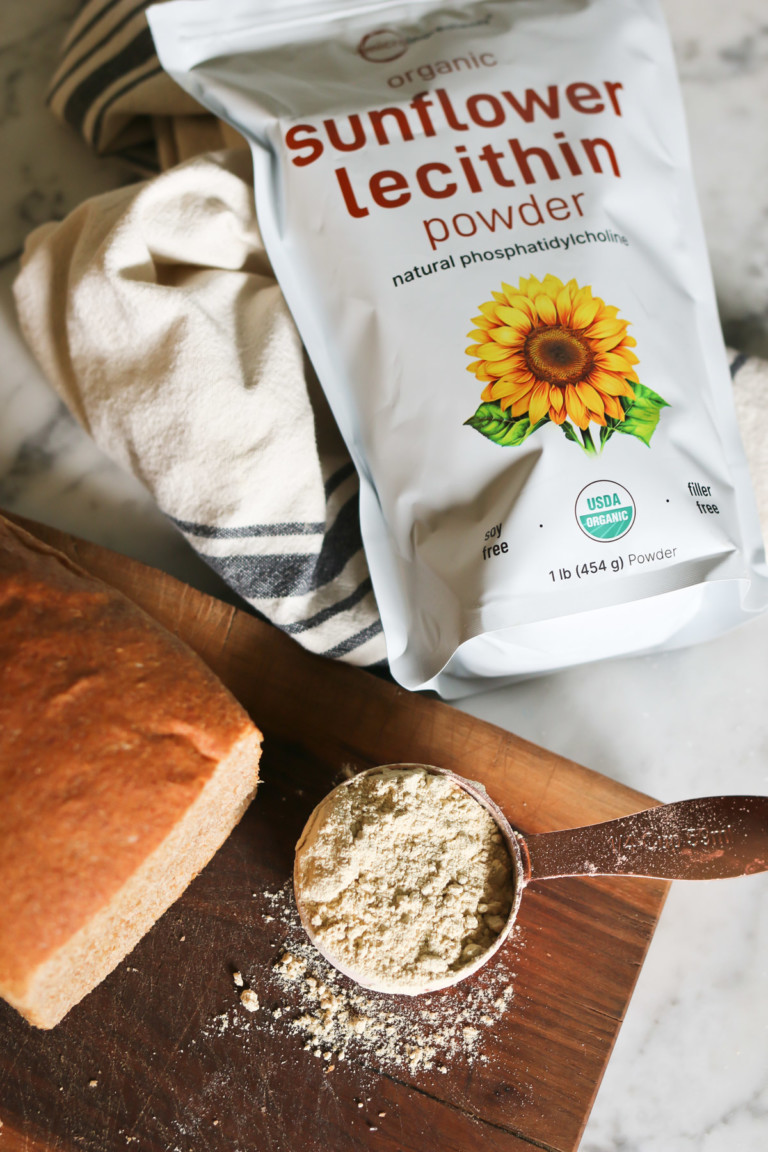
- Should You Use Sunflower Lecithin in Bread?
Try yeast in one of our fabulous recipes:








Discover more TIDBITS
Love this article? Make sure to connect with me on your favorite social platform below, and leave a comment so we can chat!